
Updated: May 23
How digital literacy will impact the classrooms of the future?
Digital literacy has become one of the main educational focuses around the world. In today’s world, teachers apply new technologies to the classroom in order to keep up with the new generations. The implications for the students are that they have access to a plethora of information, hands-on learning, and scientific method all at once; while the teachers get to apply their knowledge and previous experience to the new technologies. This report sheds light on digital literacy learned from the postgraduates’ point of view, focusing on the information that is being learned, used, and applied in the workforce. (NMC Horizons Report, 2017)
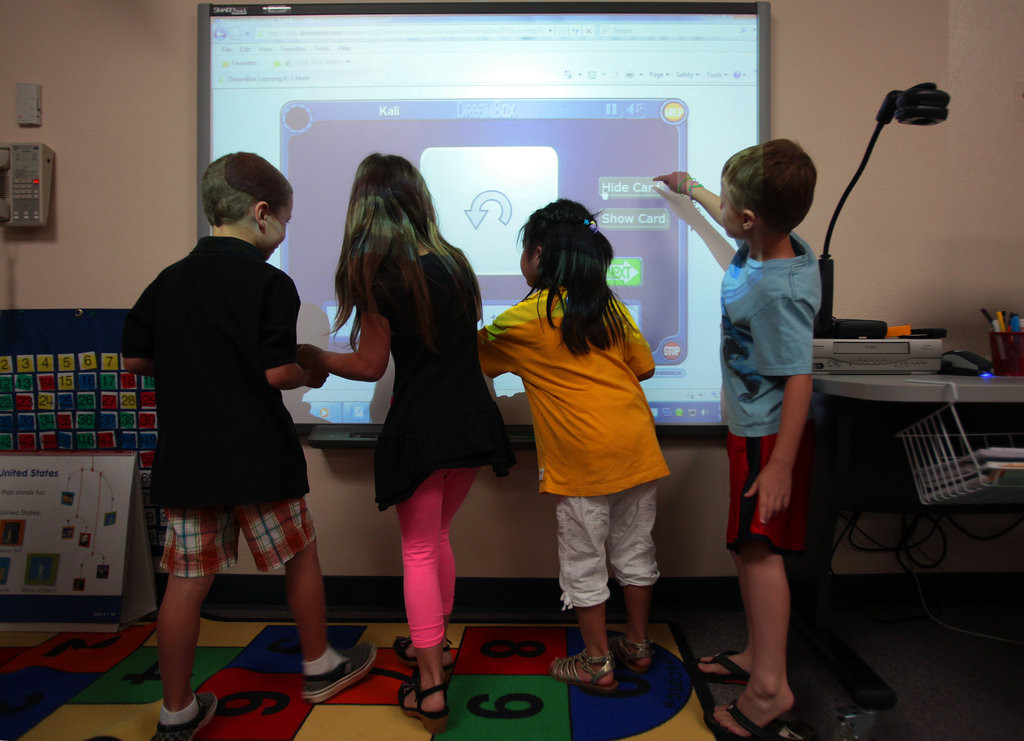
Instead of education shaping the future of the workforce, the reality is that employment is shaping the way teachers have to shape the classroom and curriculum. “The influx of technologies and automation in the workplace3 is having a ripple effect on both industry and education. Rapid technological changes are demanding additional professional expertise, which requires both education and employment agencies to reexamine the link between these sectors to meet these evolving expectations.” (NMC Horizons Report, 2017)
Digital literacy is critical for the future generations. The study mentions how higher education institutions need to understand the impact that knowing technology will have on the workforce. Some of the barriers that are preventing teachers from preparing the students for a successful future on the technology field are a lack of funding and not understanding the importance of said field. Students are very tech savvy, furthermore, the main barrier of technology application in the classrooms would be a lack of funding.
In the next 5-10 years, schools will be more open to new technologies as they will have to move up with the times. Students should have smart devices in all the classrooms so they can access websites that challenge their learning process. Classrooms should also be eco-friendly so students are more inclined to save energy. Technology will be necessary in every single aspect of a successful school and teachers will have to start using technology methods from before kindergarden for the students to be prepared. On the other hand, adults will be more inclined to attend online classes. Traditional classrooms will not disappear but online classes will definitely be more popular as adults will be focused on working and attending school at the same time.
Education will completely change in the upcoming years. As teachers, it is our job to be prepared for the transition. Students will seek new learning methods that are more technology oriented and the teachers need to be ready to provide them with the right tools to succeed.
Reference:
NMS Horizons Report (2017) Higher education edition (video file) Retrieved from: https://www.nmc.org/publications/
NMS Horizons Report (2017) K-12 edition. Retrieved from: https://cdn.nmc.org/media/2017-nmc-cosn-
 Mrs. Rodriguez's Awesome Blog